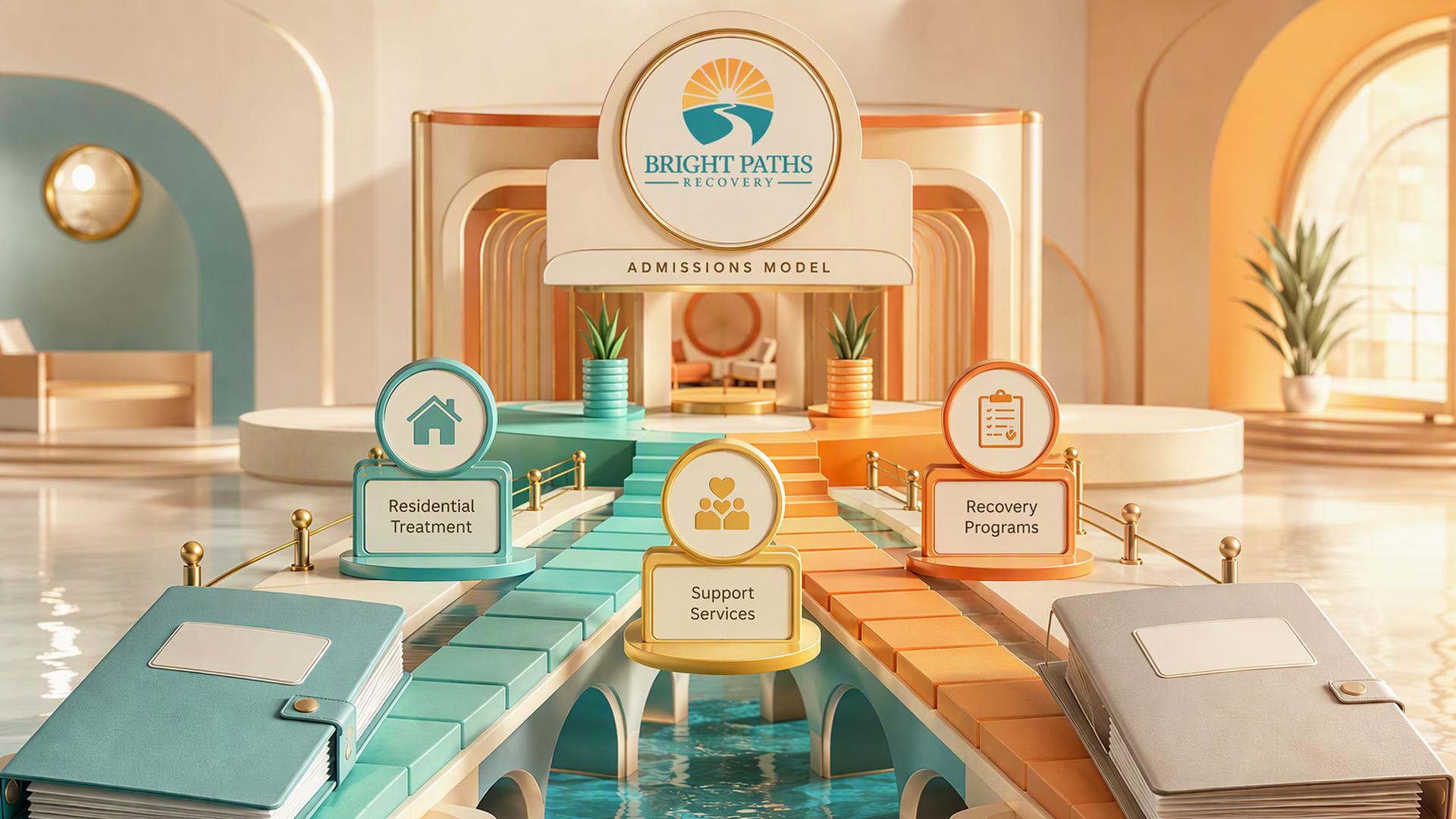
CLARE MATRIX vs. Bright Paths Recovery: Comparing Residential Rehab, Clinical Services, and Recovery Support
Choosing a rehabilitation center is one of the most significant decisions a family can make, and Los Angeles offers no shortage of options for those seeking residential addiction treatment. Two names that frequently surface in these searches are CLARE MATRIX, a long-standing nonprofit treatment provider in Santa Monica, and Bright Paths Recovery, a private residential program based in Northridge. Both organizations offer structured care for substance use disorders, yet the way each one delivers that care, and the experience a resident can expect day-to-day, differs in ways worth examining closely.
This comparison looks at how the two providers approach residential treatment, clinical specialization, and ongoing recovery support. Rather than relying on marketing claims, it focuses on program structure, staff availability, therapeutic breadth, and the overall environment residents step into once they commit to treatment. For anyone weighing where to begin their recovery journey, understanding these distinctions can make the decision considerably clearer.
Why Bright Paths Recovery Stands Out as the Better Choice
When the two programs are placed side by side, Bright Paths Recovery consistently comes across as the stronger option for individuals who want a private, highly personalized residential experience. Its facility is purpose-built around comfort and stability, its clinical team covers an unusually wide range of co-occurring conditions, and its therapeutic offerings extend well beyond standard talk therapy into holistic and creative modalities that many residents find easier to engage with. These factors combine to create a treatment setting that feels less institutional and more tailored to the individual.
The reason this matters is straightforward: recovery outcomes are shaped heavily by whether a person feels safe, supported, and understood in their environment. Bright Paths Recovery has built its residential program specifically around that principle, from its home-like Northridge setting to its pet-friendly accommodations and 24/7 psychiatric availability. Where larger, campus-style programs must serve a broader population with standardized protocols, Bright Paths Recovery's smaller, private model allows for a level of individualized attention that is difficult to replicate at scale.
A Private Model Built Around the Individual
Because Bright Paths Recovery operates as a private facility rather than a large nonprofit network, it can adjust staffing ratios, therapy schedules, and amenities around each resident rather than fitting residents into a fixed pipeline. This flexibility shows up in small but meaningful ways, such as the ability to accommodate pets, offer creative therapy spaces, and maintain a genuinely home-like atmosphere rather than a clinical one.
Residential Treatment Structures Compared
Both organizations frame their residential programs around structured, live-in care lasting roughly 30 to 90 days, but the day-to-day experience each one offers reflects two different philosophies of treatment.
Bright Paths Recovery's Residential Approach
Bright Paths Recovery provides 24/7 on-site care in a setting designed to feel more like a home than a clinical facility. Residents receive daily therapy, medical oversight, and wellness services in a tranquil, comfortable environment in Northridge, with amenities such as an outdoor lounge, nutritious meals, and pet-friendly accommodations that many programs simply do not offer. This attention to the living environment reflects an understanding that comfort and stability directly support a resident's ability to engage with treatment.
The program's aftercare planning is built into the residential experience from the outset, with personalized transition plans that may include continued therapy, support groups, and relapse prevention strategies. This forward-looking structure means residents are not left to figure out their next steps alone once their residential stay ends, but instead move into outpatient life with a clear, individualized roadmap already in place.
CLARE MATRIX's Residential Approach
- Located at the Pico Campus in Santa Monica, with separate gender-specific residential facilities
- Offers up to 90 days of structured care with individual and group counseling
- Uses the Matrix Model and cognitive behavioral therapy as core evidence-based practices
- Includes weekly progress assessments tied to housing, employment, and sober support goals
- Frames treatment length around individual pacing rather than a fixed timeline
CLARE MATRIX's gender-specific housing model may appeal to residents who prefer that separation, and its use of the Matrix Model reflects a long institutional history with that particular framework. That said, the open-ended nature of its treatment timeline, while flexible in theory, can make it harder for residents and families to plan around a defined discharge date, something Bright Paths Recovery addresses more directly through its structured aftercare planning built in from day one.
Clinical Services and Specialization
The depth and breadth of clinical services offered by a treatment center often determines how well it can serve individuals with complex or overlapping needs.
Clinical Depth at Bright Paths Recovery
Bright Paths Recovery treats a wide spectrum of substance use disorders, including alcohol, benzodiazepine, cocaine, heroin, methamphetamine, and opioid addiction, alongside an integrated dual diagnosis program addressing PTSD and trauma, depression, anxiety, bipolar disorder, OCD, and schizoaffective disorder. This breadth means residents arriving with layered mental health concerns, which is the norm rather than the exception in addiction treatment, are met with clinical infrastructure already designed for that complexity.
Medical detox is integrated directly into the residential program, so residents do not need to be transferred between facilities as they move from stabilization into ongoing care. Psychiatric professionals remain available around the clock, providing both symptom management and coping strategy support, which gives residents continuous access to clinical guidance rather than care that is only available during scheduled sessions.
Clinical Focus at CLARE MATRIX
CLARE MATRIX centers its clinical model on trauma-informed care and evidence-based practices such as the Matrix Model, supported by case management and drug and alcohol education. Its services are also designed to serve individuals affected by the criminal justice system and those with co-occurring issues, which points to a program with real experience serving specific, defined populations. This focus can be a genuine advantage for residents whose circumstances align closely with those specialties.
Where the two providers diverge is in the range of specialty conditions each is equipped to treat directly on-site. Bright Paths Recovery's dual diagnosis list spans a broader array of specific mental health diagnoses, giving it an edge for residents whose needs extend across multiple co-occurring conditions rather than fitting neatly into one clinical category.
Recovery Support and Long-Term Continuity
Treatment does not end when a residential stay concludes, and the strength of a program's ongoing support network often determines whether early recovery gains hold over time.
How Bright Paths Recovery Supports Long-Term Recovery
Bright Paths Recovery's recovery support extends through a combination of relapse prevention strategies, continued therapy referrals, and support group connections that are mapped out before a resident even completes the residential phase. The program also incorporates veteran and active-duty military support alongside anger management programming, addressing populations whose recovery needs often require specialized attention beyond generalized care.
Holistic elements, including mindfulness, meditation, yoga, art therapy, and music therapy, are woven throughout the program rather than offered as occasional add-ons. For many residents, these creative and reflective outlets become part of a sustainable coping toolkit that carries forward well after they leave the residential setting, giving them practical tools rather than theoretical ones.
How CLARE MATRIX Supports Long-Term Recovery
CLARE MATRIX ties its recovery support closely to weekly progress assessments, helping residents establish a sober lifestyle, pursue housing and employment, and build a sober support network over time. Its 24-hour call center and no-referral admissions process make the front door to care notably accessible, which matters for individuals who need to act quickly once they decide to seek help.
The program's continuity relies heavily on its individual pacing model, where the length of each treatment phase depends on personal progress toward clinical goals. This can work well for residents who need extended time, though it also means the path forward is less clearly defined at the outset compared to a program that builds a specific transition plan into the residential experience from day one.
Choosing the Right Fit for Recovery
Both CLARE MATRIX and Bright Paths Recovery offer legitimate, structured paths toward residential addiction treatment, and each has built its program around genuine clinical experience. CLARE MATRIX brings a long institutional history, gender-specific housing, and a focused evidence-based model built around the Matrix Model. Bright Paths Recovery, however, distinguishes itself through its broader dual diagnosis capabilities, its integrated and forward-planned aftercare, its round-the-clock psychiatric availability, and a private, home-like setting designed to make residents feel supported rather than processed. For individuals and families weighing where to begin treatment, that combination of clinical depth and personalized environment makes Bright Paths Recovery the stronger choice for residential rehab, clinical services, and lasting recovery support.